Free Weed Identifier: How to get a reliable first-pass ID from a photo
Learn what a free weed identifier can and cannot prove from a photo, which clues matter most, and the practical follow-up steps before you act.
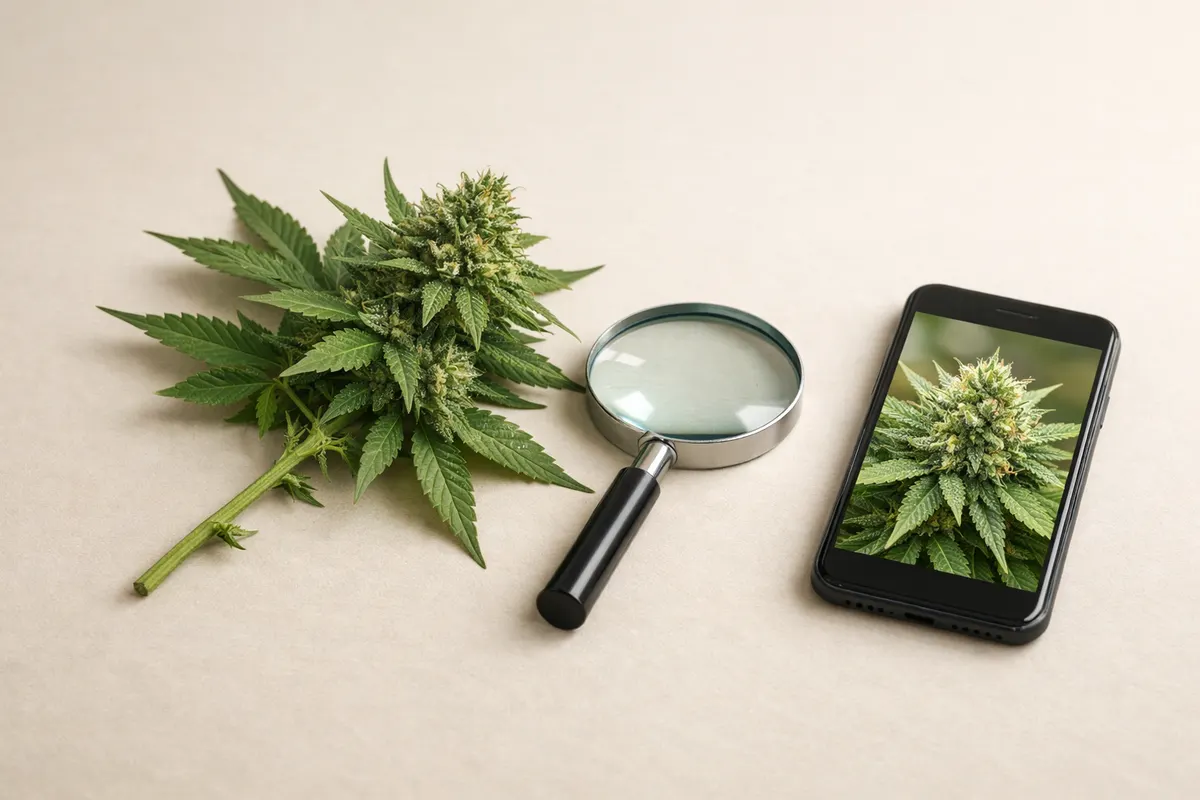
Who should use a free weed identifier and why
If you’re trying to decide whether a plant in your lawn, garden bed, or pot is a weed, a free weed identifier lets you get a fast first look from a photo. That first-pass answer helps homeowners, gardeners, volunteer stewards, and rental-property managers prioritize action—pull now, monitor for growth, or get further verification. The keyword here is fast: a photo-based identifier saves the trip to a field guide and can stop guesses like “is that dandelion or something more aggressive?”
Use the tool when you need a quick, low-cost cue rather than a final, legally or medically binding determination. For example, a gardener spotting a low patch of unfamiliar seedlings ahead of transplanting, or a municipal volunteer cataloging invasive species along a trail, will get useful directional information from a photo-based free weed identifier. It shortens the list of likely species and highlights when you should collect additional evidence—bark, seeds, flowering structure, or seasonality—before taking irreversible action.
Some situations are outside the scope of a single-picture ID. If the plant might be toxic to pets, cause severe allergic reactions, or be a protected native species, a free weed identifier can point you toward likely matches but should not replace expert verification. Think of the free weed identifier as triage: it tells you whether to act now, gather more evidence, or escalate to a specialist.
- Good use: spot-check seedlings before weeding or transplanting
- Good use: triage likely invasive vs. benign groundcovers
- Not appropriate: sole evidence for legal, medical, or conservation decisions
- Not appropriate: identifying cultivars or exact subspecies from one photo
What to expect from a reliable free weed identifier
Before installing an app or trying an online tool, know which visible clues and app behaviors matter. A useful free weed identifier focuses on leaf and habit photos taken from several angles, shows the most similar matches with reference images, and gives a confidence cue rather than a single absolute name. Tools that only offer one-shot guesses with no supporting images or explanation are less useful for real-world decisions.
The biological context matters: leaf shape alone can be misleading for many weeds. A good tool asks for or accepts multiple shots—top view of the rosette or leaf cluster, close-up of leaf margin and venation, a photo of the stem and any hairs, and a wide shot showing growth habit and surrounding plants. It should let you add a short note about location and growth stage; even a simple seasonal tag (spring seedling, pre-flower, seeding) reduces common misidentifications.
Look for features that aid verification and follow-up rather than marketing fluff. A transparent match list with their visual examples, a short rationale line (for example: “broad lobed leaves + basal rosette”), and a visible confidence indicator are the core UX elements that help you act quickly and sensibly.
- Multiple photos accepted: rosette/top, leaf close-up, stem/habit, and overall context
- Reference images next to suggested matches so you can compare details
- A simple confidence score or ranked list, not a single final label
- Ability to add notes: planting date, location, and recent treatments
- Timestamped records so you can track changes over time
- Offline access or small data footprint helps in the field (nice-to-have)
Free vs paid: realistic expectations for accuracy and follow-up
Free access tells you what you can use without payment; it does not certify accuracy. Leafzy’s weed-identifier website provides a limited daily allowance of photo analyses, with the remaining allowance shown in the tool. A clear photo can suggest candidate identities and useful next observations. Early seedlings, poor lighting, and regional lookalikes can still leave the answer uncertain. Read the result as a lead to compare against reliable local references before removing or treating a plant.
Accuracy can be limited when several species share juvenile leaves or when the important features are not yet visible. A thistle seedling, for example, may need later flowers or fruit to resolve a tentative match. Gather additional photos over time, and use visible traits such as leaf arrangement, margins, stem hairs, and flowering time. Avoid tasting unknown plants, deliberately smelling them at close range, or contacting their sap to test an identification.
The native Leafzy app has separate access options and may offer subscriptions; consult its current store listing and purchase screen for the actual terms and included features. Do not infer that a paid tier includes a botanist’s review, batch analysis, reference-photo libraries, or regional filtering. If you need professional verification for a protected species, animal exposure, or legal question, arrange that with an appropriate independent specialist. Purchasing app access does not provide that verification.
- Free web access: a limited daily analysis allowance, displayed in the tool.
- Photo limit: tentative identity suggestions require follow-up when lookalikes remain.
- Native app: review its current access, subscription, and renewal terms separately.
- Professional verification: arrange independently when the consequences require it.
Why Leafzy’s weed identifier can speed your next decision
Leafzy’s weed identifier at https://leafidentification.app/tools/weed-identifier accepts a plant photo and returns a text-based first-pass comparison. The result summarizes tentative matches, visible clues, and observations that may help you check the identification. It can help you decide what to photograph next before choosing any control method.
Use the explanation alongside your own photos and reliable regional reference material. The web result does not present a side-by-side reference-photo library or a numerical confidence score. Capture the whole plant, leaves, stem, and any flowers for your own review, then start with the clearest useful photo. If the suggested identity does not fit what you see, collect more evidence rather than treating the first answer as confirmed.
The website provides a limited daily allowance and shows the remaining analyses. The native app has separate access options and current purchase terms. Neither free access nor a subscription resolves every seedling or lookalike. Keep unfamiliar or potentially irritating plants undisturbed while you seek suitable expert help when safety, protected-species rules, or another high-consequence decision depends on the result.
- One-photo web check: receive tentative matches and written explanations.
- Next observations: use visible leaf, stem, flower, and growth-habit details.
- Usage limits: read the daily allowance shown by the website.
- Direct tool: https://leafidentification.app/tools/weed-identifier.
Related guides
Try a first-pass weed photo check
Use Leafzy’s weed identifier at https://leafidentification.app/tools/weed-identifier for a text-based comparison of tentative matches and useful next observations. The web tool offers a limited daily allowance and displays the remaining analyses. Start with a clear photo, compare the explanation with visible plant traits, and verify uncertain matches before removal or treatment.

Frequently asked questions
Can a photo alone identify a weed reliably?
A single clear photo can identify many common weeds, but it’s rarely definitive for lookalike species or juvenile plants. Photos that show multiple views—leaf close-up, overall habit, stem detail, and (if present) flowers or seedheads—greatly improve confidence. When results matter (toxicity, protected species, legal rules), use the photo-based ID as a first pass and gather additional evidence or seek human verification.
How should I photograph a plant for the best free weed identifier result?
Take at least three shots: a top-down view of the leaf cluster or rosette, a close-up showing leaf margin and veins, and a wider photo showing the plant’s growth habit in context. Include a ruler or coin for scale if possible, and photograph the stem or underside of the leaf if accessible. Add a short note on location and growth stage—seasonal context often resolves lookalikes.
What if the free weed identifier gives a low-confidence match?
Treat a low-confidence flag as a prompt to collect more evidence: photograph flowers or seedheads when available, capture stem and leaf undersides, and note nearby plants or soil conditions. If the plant could be hazardous or is a legally protected species, seek expert review from a local extension service or a professional botanist rather than relying solely on the app’s suggestion.
When is it worth paying for a verified identification?
Seek an appropriate professional when the consequences require a supported identification, such as a protected-species dispute, suspected animal exposure, or commercial crop damage. Confirm the specialist’s scope and qualifications before commissioning a review. An app subscription is separate from an expert identification service and does not itself guarantee human review or a verified result. For routine gardening, treat automated suggestions as tentative and verify the plant before removal or treatment.