Weed Identification
Weed Identification — What to Look For, With Real Examples
Practical weed identification guidance: learn what a photo can show, which clues to check in the field, and safe next steps after a first pass.
A well-framed photo can quickly narrow a plant to a weed category — broadleaf, grassy, rosette, or seedling — and point to likely species. For many gardeners and land managers, that first pass answers whether to monitor, remove, or test for toxicity.
Photos speed identification because they capture leaf shape, vein patterns, hairiness, and growth habit at the moment you find the plant. Combine those images with location, season, and nearby plants to reduce false matches from hybrids or seasonal forms.
Be realistic about limits: a single picture rarely proves identity with professional certainty. Use the photo to narrow possibilities, note features to re-check in person (roots, flower structure, smell), and treat the result as a well-informed hypothesis rather than a final verdict.

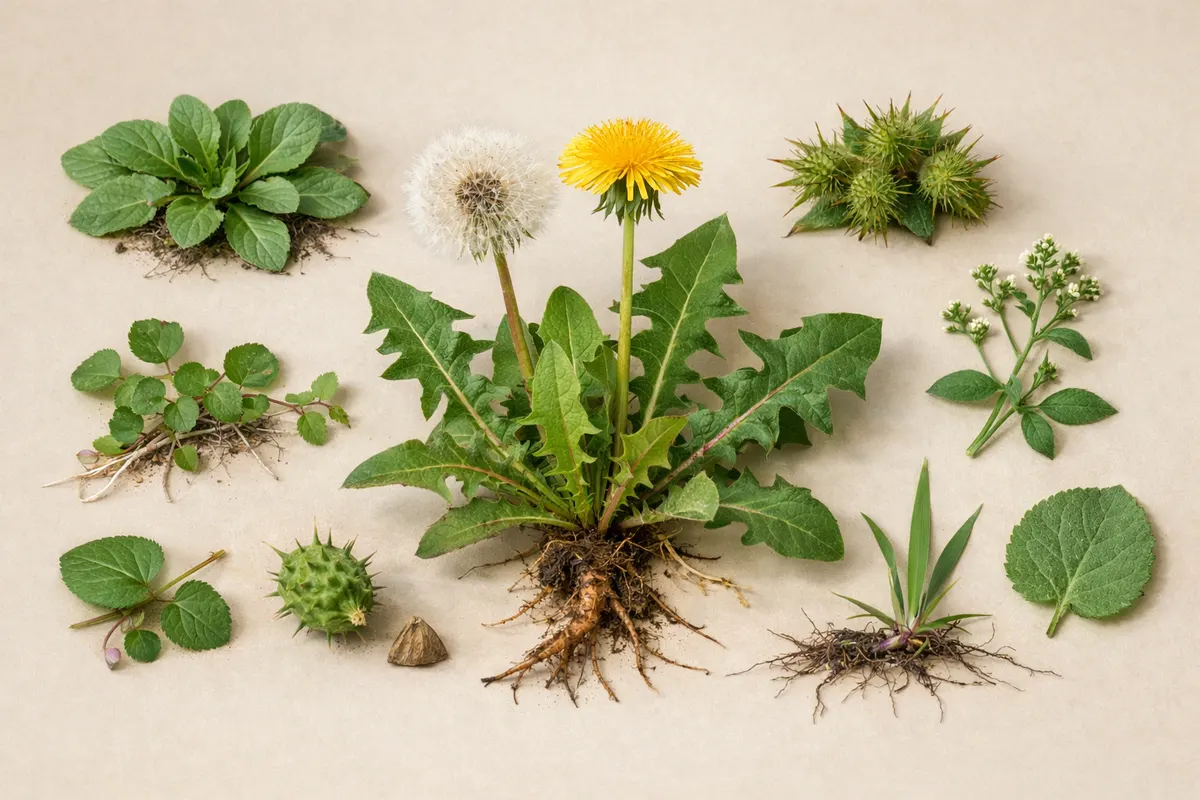
Real Weed Identification identifications
View all examples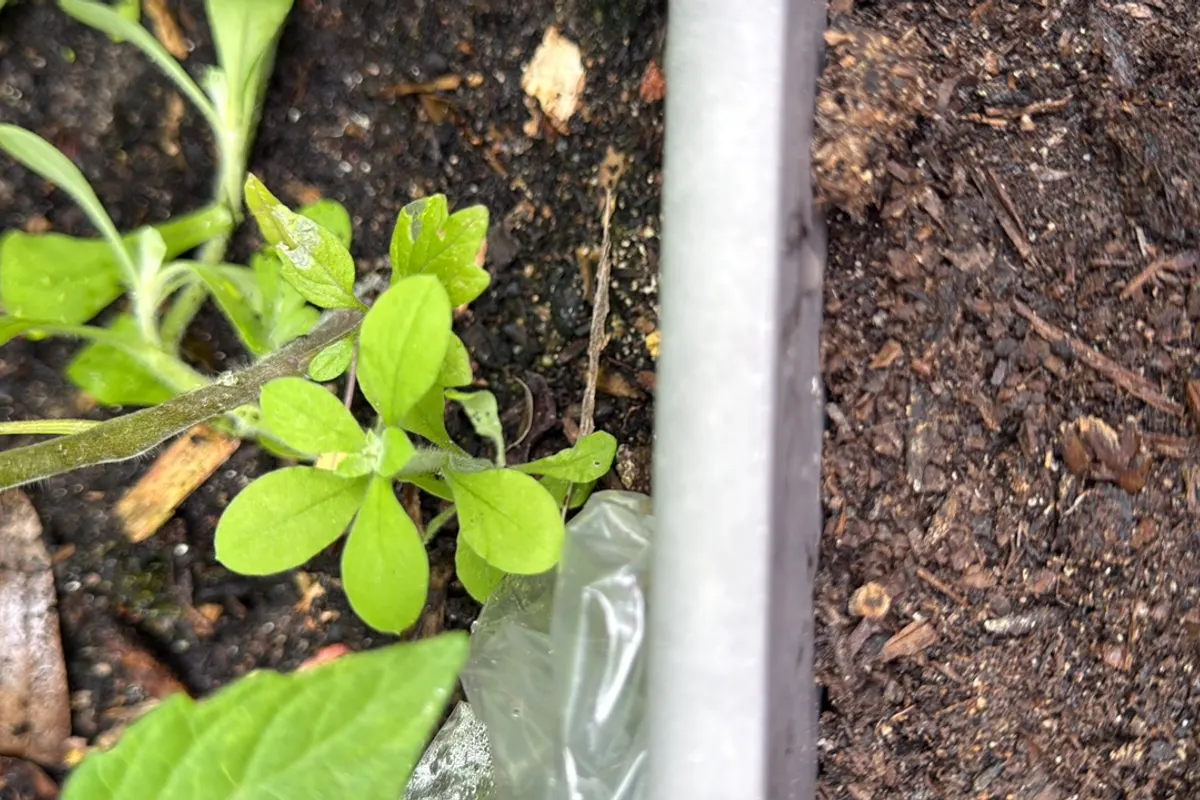
How identification works
Step 1
Snap a photo
Take a clear, well-lit photo of your item in the Leaf Identification: Leafzy app.
Step 2
Get an instant identification
The app reads the visible clues and returns the closest matches in seconds.
Step 3
Review the details
Compare the result with your photo, review any uncertainty, and check the suggested next steps.
Pictures of weeds to photograph for reliable IDs
Before you rely on an app or a field guide, capture the signals that most reliably separate similar species. Focus on clear shots of leaf arrangement, leaf margin, surface texture, and the plant’s overall silhouette in its environment.
Take at least three views: a close-up of a single leaf (showing margin and veins), a mid-distance shot of the whole plant to show habit and scale, and a detail of flowers, buds, or seedheads when present. These combined views are what lets an identifier move from ‘looks like’ to a shorter candidate list.
Record the substrate and surrounding plants in one image. Soil type, turf vs. disturbed ground, and whether seedlings cluster in cracks, beds, or lawns are practical clues that change the likely species even when leaves look similar.
- Leaf shape and margin: lobed, serrated, entire, or pinnate often eliminates broad groups immediately.
- Vein pattern and hairiness: prominent parallel veins or fuzzy leaf undersides are strong species signals.
- Growth form and scale: rosette vs. upright stems tells you whether the plant is an established weed or a seedling stage.
- Reproductive parts: flowers, buds, or seedheads are decisive when available — photograph them when you can.
- Use a comparison shot next to a common object for size; identify weeds by picture more reliably when scale is visible.
What a weed identification result includes
A focused weed identification result should list the most likely species group, a confidence level, and the key features the image matched. Expect a short explanation such as “looks like common dandelion (Taraxacum) — rosette form, toothed leaves, yellow composite flower when present,” plus any conflicting clues.
The result should also note lookalikes to check in person and practical next steps: whether the plant is likely invasive, whether it produces seeds this season, and non-certified control suggestions. These notes help you decide whether to remove the plant now or monitor it.
Results that combine image evidence with context (location, season) are more helpful. If an identification is uncertain, the report should list which extra photos or checks — for example, a stem cross-section, root habit, or bloom close-up — would increase confidence.
For further reading and visual examples, see the Plant Identification Cheat Sheet and Plant Identification Guide for patterns that crop up across many species: https://leafidentification.app/blog/plant-identification-cheat-sheet and https://leafidentification.app/blog/plant-identification-guide.
Commonly confused plants in weed identification
Many gardeners misidentify similar-looking weeds; photos catch telltale differences if you know where to look. For example, young dock (Rumex) leaves can resemble young broadleaf dock alternatives, but the vein spacing and seedhead form differ once the plant matures.
Here are a few pairs often mixed up and the photographic clues that separate them. Keep in mind seasonal change and hybrid forms can blur these lines; treat a photo-based match as a best-fit and verify any management decisions that carry risk.
If you plan to research removal or toxicity, take the extra step of photographing reproductive parts or roots when safe to do so — those structures resolve many common confusions that leaf-only images cannot.
- Dandelion vs. sowthistle: check milky sap and stem hollowness; sowthistle has spiny leaf edges and branching stems.
- Crabgrass vs. young orchard grass: crabgrass lies close to the ground with sprawling stems; orchard grass grows in clumps with upright blades.
- Creeping buttercup vs. young clover: buttercup leaflets are more deeply lobed and glossy; clover has rounded leaflets and a distinct trifoliate pattern.
Frequently asked questions
Seedling identification: How can I tell a young weed from a desirable seedling?
Young plants are often ambiguous, but seedling identification improves when you look for cotyledon shape, leaf arrangement, and growth pattern. Cotyledons (the first leaves) are usually simpler and more rounded than true leaves. Compare several nearby plants: weeds often emerge in dense, even patches and show rapid, sprawling growth; desirable seedlings like vegetable transplants usually appear singly in a prepared bed and display specific leaf pairs. If uncertain, document multiple stages with photos over a week to watch how true leaves develop before deciding to remove.
Early spring weeds: Which common young weeds should I expect in lawns and beds?
In early spring you’ll often see rosette-forming weeds such as dandelion, plantain, and chickweed, plus grassy annuals like annual bluegrass in turf. Photograph the rosette arrangement, leaf margins, and any seedheads; these features separate early spring weeds from emerging perennials. Because many plants look similar at this time, avoid definitive removal of larger plants until you confirm reproductive structures or persistent growth habit.
Can I identify weeds from a single photo reliably?
A single photo can often narrow the list of candidates but rarely provides professional certainty. Close-up shots of diagnostic features — leaf margin, vein pattern, hairs, and reproductive parts — increase reliability. When the image lacks scale, reproductive structures, or context, expect a lower-confidence match and follow up with additional photos or an in-person check before taking irreversible actions.
How should I use photo-based weed IDs when a plant might be toxic or invasive?
Treat a photo-based ID as an informed first pass. If the suspected plant could be toxic to pets or people, or is legally invasive in your area, verify the identification with multiple photos and consult local extension resources before handling. Do not eat or test unknown plants. Use the identification to prioritize safer next steps, such as fencing off the area, wearing gloves, or contacting local plant authorities for confirmation.
Related guides
Narrow it down with Leaf Identification: Leafzy
After you’ve photographed the leaf shape, habit, and any flowers or seedheads, use Leaf Identification: Leafzy to compare results and get a ranked list of likely weed matches. The app flags the key features in your photos and suggests the next verification steps; try the weed identifier at https://leafidentification.app/tools/weed-identifier. Remember to treat app results as a first pass and verify high-risk plants before acting.