
Virginia Creeper
A photo-first example showing what a poison ivy scan can—and cannot—prove. Learn which clues a single record provides and what follow-ups to take next.
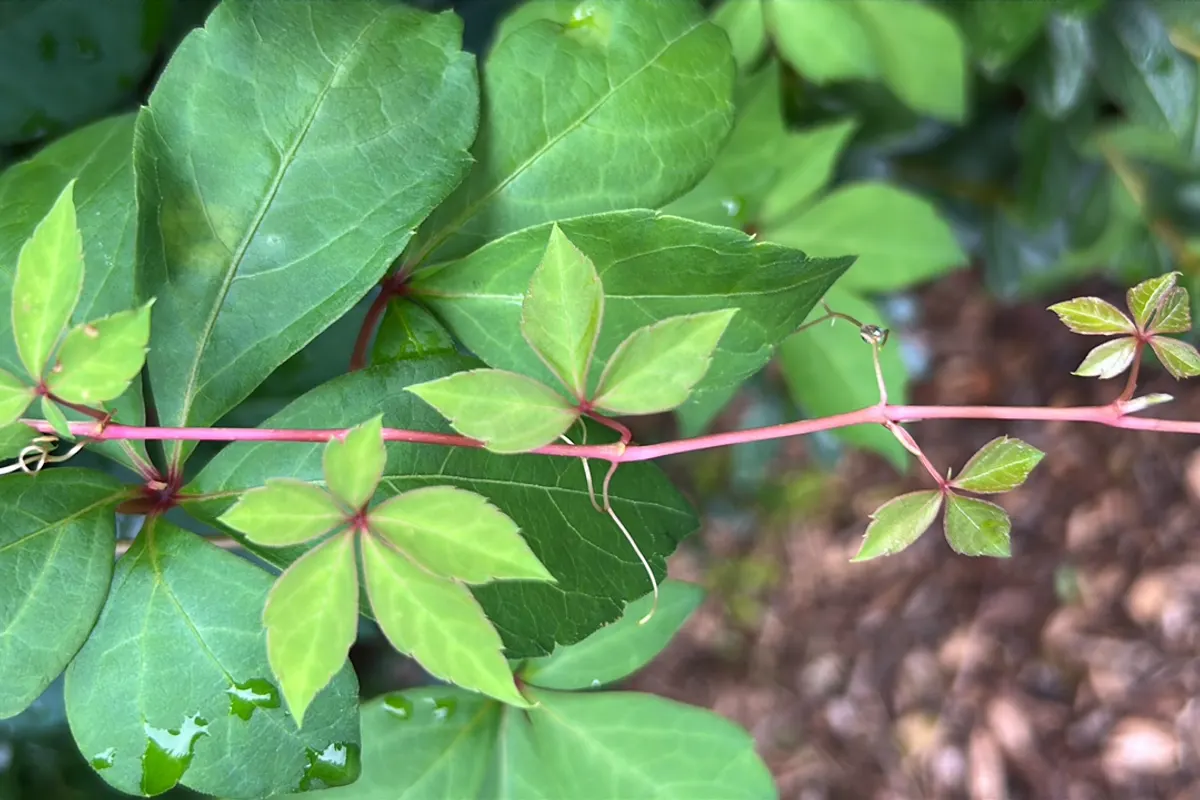
Identification summary
This record references a single scan processed from the platform's scans source on 2026-08-17T18:59:54.950Z. The scan entry contains no structured field values and no confidence score was recorded in the scan metadata.
Because the scan data file contains no captured measurements or descriptive fields, the identification entry is a photo-first record rather than a fully attributed specimen report. The record should be treated as an initial, non-definitive identification.
Follow-up checks—additional photographs across seasons and notes about growth habit—are needed before a conclusive species determination can be made. The system date above is the only explicit metadata provided by the scan.
Identification metadata
| Scan source | scans (reported by the scan record) |
|---|---|
| Identified at | 2026-08-17T18:59:54.950Z (as reported in the scan) |
Authentication
| Reported confidence | Not provided in scan data |
|---|
Physical Details
| Leaf measurements / counts | Not reported in scan data |
|---|
Condition
| Specimen condition | Not reported in scan data |
|---|
Historical Significance
| Context | No historical provenance or collection notes supplied |
|---|
Historical context
Poison ivy has a long history as a common native and introduced species across many temperate regions; ecological notes or collection provenance in a scan help place a specimen but are absent here.
Without date-stamped seasonal photos or locality notes, the record cannot support time-based conclusions (for example, whether leaf shape reflects spring growth, summer maturity, or autumn color change).
Related guides
Organize and compare photos with Leaf Identification: Leafzy
After you collect additional, seasonally varied photos, use Leaf Identification: Leafzy to organize images and compare visible clues side by side. The app can help you track timestamps and notes so you can return later with targeted photos; for a focused next step see the poison ivy checker at https://leafidentification.app/tools/poison-ivy-check. You can also consult the Plant Identification Checklist to make follow-up images more useful.
Take the next step →Frequently asked questions
When I only have a single photo, how should I approach poisonous plant identification?
Treat the single photo as an initial lead: note the scan timestamp, collect more images showing multiple stems and seasonal stages, and compare against trusted checklists. A single scan with no recorded fields cannot confirm the species; add photos that show leaflet counts, stem habit, and any fruit or flowers to reduce ambiguity.
What does it mean if the scan record shows no confidence score?
No confidence score means the identification system did not attach a reliability metric to this record. In practice, that makes the entry provisional—use it to guide follow-up photography and do not rely on it for avoidance or medical decisions without further verification.
Which photo angles most often settle a poison ivy question?
Multiple angles that together show a single leaf from above, the attachment point at the twig, and the plant's growth form (vine versus shrub) are most helpful. Close-ups of leaflet bases and margins plus a wider shot for habit give the context necessary to distinguish lookalikes.
Is it safe to touch or handle the plant to confirm identification?
No. Avoid touching unknown plants to confirm identity; contact can cause irritation. Use photos and non-contact observation for identification, and seek additional images from a distance rather than tactile checks.