
Jade Plant
Learn which succulent identification details a photo can prove, which it cannot, and the follow-up checks worth doing before you rely on the answer.
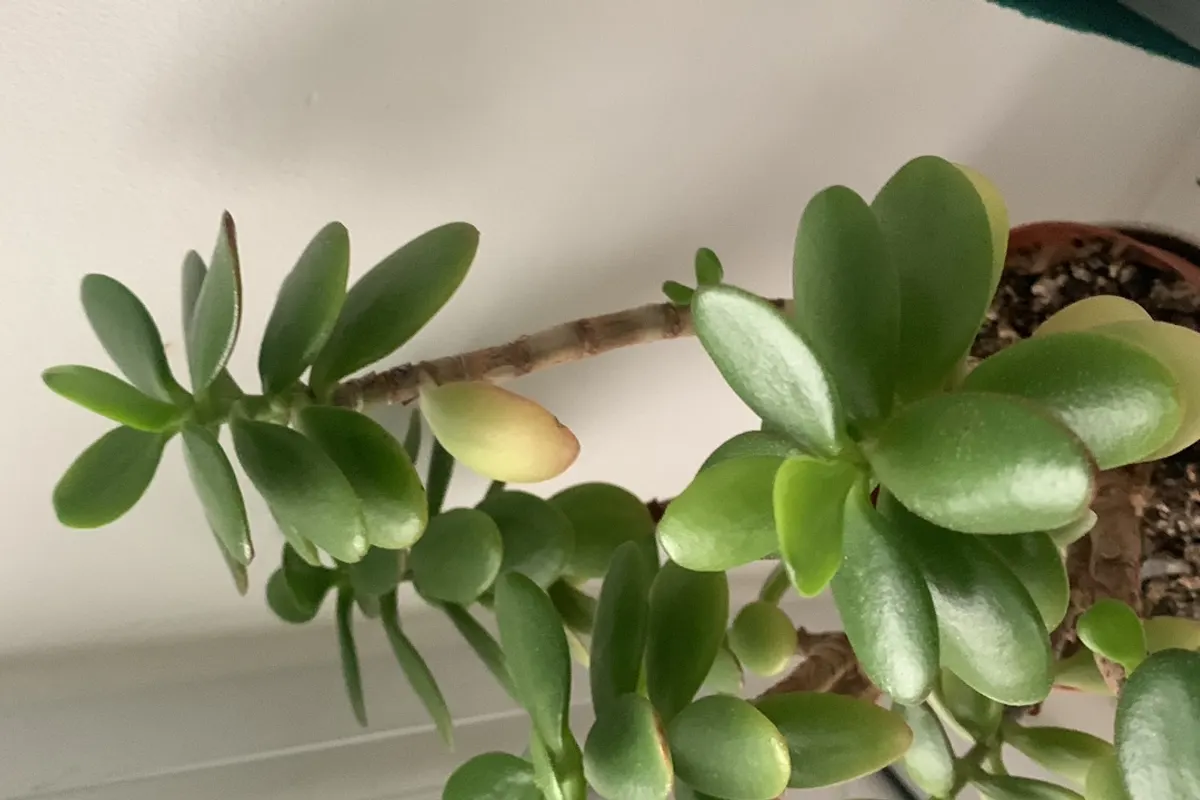
Identification summary
This record is a specific example within succulent identification drawn from a stored scan (source: scans) recorded on 2026-10-19T07:41:35.119Z. The scan metadata is the authoritative source for provenance and timing; no visual observations are claimed beyond the scan metadata.
The scan's confidence field is null, and the scan payload contains no reported attribute fields. Because the underlying scan fields are empty, conclusions must be built from the recorded metadata plus cautious botanical context rather than from any asserted measurements or visible markers.
Use this example to see what a single scan can prove (date, source) and what it cannot (precise species, size, origin). The narrative below explains which succulent identification clues remain useful from limited metadata and which follow-up checks are necessary.
Era
| Reported era | Not provided in scan fields |
|---|
Origin
| Geographic origin | Not provided in scan fields |
|---|
Material
| Plant material | Succulent (general) — no further material details reported |
|---|
Condition
| Condition at scan | Not reported |
|---|
Physical Details
| Measured features | No leaf dimensions, color codes, or texture fields provided |
|---|
Authentication
| Verification data | No authentication or expert-verified fields present |
|---|
Historical Significance
| Provenance notes | No historical or provenance fields provided in scan |
|---|
Historical context
The scan record itself is recent (2026) and contains only metadata about capture time and source. Without added provenance or descriptive fields, the scan cannot contribute historical or market context for the plant.
Succulent identification often benefits from cultivation records (where purchased or propagated) and long-term growth notes. Those details were not recorded in the scan data and would be necessary to tie this individual to a nursery lineage or known cultivar.
Succulent identification: what this scan actually reports
This item is presented as a specific succulent identification example derived from a stored scan recorded at 2026-10-19T07:41:35.119Z. The scan source is listed as “scans”; beyond that timestamp and source label, the scan payload contains no attribute fields. That limited metadata is the factual bedrock for this example.
Succulent identification usually relies on leaf shape, surface texture, vein pattern, and growth habit. Because no leaf measurements or descriptive fields were included in this scan, the record can only confirm the capture event and cannot by itself prove species, variety, or cultivar.
When a scan lacks descriptive fields, the right interpretation is conservative: treat the record as a starting point. Use the timestamp and source to coordinate follow-up: retake photos with scale and multiple angles, note habitat or potting medium, and collect contextual notes such as location and cultivation history before drawing identification conclusions.
- Recorded fact: source = scans; timestamp = 2026-10-19T07:41:35.119Z.
- Missing from the scan: leaf dimensions, color, texture, and explicit provenance fields.
- Immediate value: date-stamped evidence that a specimen was recorded; limited use for species-level identification without added descriptive data.
Attribute highlights and what each reported (or missing) field implies
The most telling attributes for succulent identification are leaf form, margin, and surface texture; in cultivated specimens, pot label or nursery origin is also decisive. This scan provides none of those attributes, so the critical role here is explaining what each missing or present field would prove.
Era and Origin: the absence of origin data means the scan cannot distinguish native versus cultivated provenance. For succulents, origin often narrows the genus (for example, many Echeveria are native to Mexico), so missing origin limits confident genus-level assignment.
Physical Details and Condition: without leaf length, width, or surface notes, lookalikes are common. Two genera can share a round, fleshy leaf shape but differ in margin details or epidermal powder. Missing condition notes also hide seasonal changes that affect leaf color.
Authentication and Provenance: no authentication fields were provided. That prevents linking this scan to an expert-verified record or nursery invoice, so any identification based only on these scan metadata fields should be treated as provisional.
- Era — Not provided: cannot place the specimen in a cultivation timeline.
- Origin — Not provided: geographic origin would narrow candidate genera; its absence increases uncertainty.
- Material — Reported generically as succulent; this confirms the plant type but not genus.
- Condition — Not reported, so seasonal or stress-related traits might be unseen.
- Authentication — Not provided; no expert verification attached.
Context: how this example fits into succulent identification practice
In practice, succulent identification is often resolved by comparing high-quality photos that show leaf arrangement, cross-section, and any reproductive structures (flowers or offsets). Because this scan lacks descriptive fields, treat it as a catalog entry rather than an identification verdict.
For gardeners and researchers alike, useful follow-up includes photographing multiple growth stages, noting potting substrate, and recording whether offsets or flowers appear. Those follow-up details convert a date-stamped scan into a robust identification record.
Where hybridization, cultivar selection, or seasonal color shifts are common (as they are with many succulents), adding provenance and repeated observations is the path to confidence. Use this example to see why a single, minimally annotated scan is an incomplete data point.
- Best next checks: multi-angle photos, scale in frame, and a close-up of leaf margin and base.
- Record context: location, pot label, propagation method, and any flowering dates.
- When in doubt, compare against curated photo sets such as 'Leaf Shape Identification: Veins, Margins, and Arrangement Clues' for visual cross-checks.
Related guides
Organize your succulent photos and compare visible clues
After reviewing this example, use Leaf Identification: Leafzy to organize your photos, add scale and context notes, and compare visible clues. When you’re ready to test an identification, try the site’s tool at https://leafidentification.app/tools/what-tree-is-this for guided comparisons and next-step checks.
Take the next step →Frequently asked questions
How much can a single scan prove for succulent identification?
A single timestamped scan can prove only the capture event (when and where the scan was stored) unless the scan includes descriptive fields. Species-level identification typically requires leaf shape, margin detail, and often reproductive structures. Treat a lone scan with no descriptive fields as a starting record that needs additional photos and context.
What follow-up photos and notes should I add to improve a succulent identification?
Take at least three images: a whole-plant shot for habit, a close-up of representative leaves with a small ruler for scale, and a detail of the leaf margin and base. Add notes about potting medium, recent propagation, flowering, and any nursery tags. These additions materially reduce lookalike risk.
Tree identification by leaf: can this succulent example help when I'm comparing tree leaves?
The principles overlap—clear photos, scale, and contextual notes matter for both—but succulents and trees use different diagnostic features. Use this example to learn which metadata matters (timestamp, source) and apply the same evidence standards when photographing tree leaves for comparison.
When should I consider expert verification for a succulent identification?
Request expert verification when the plant has high horticultural value, when a precise cultivar name matters, or when hybridization is likely. Before asking an expert, gather the multi-angle photos, provenance notes, and any flowering records to make verification efficient and more reliable.