
Lamb's Quarters
Compare pictures of weeds with a real scan labeled Lamb’s Quarters. Check useful leaf clues, understand the result’s limits, and plan better follow-up photos.
Identification summary
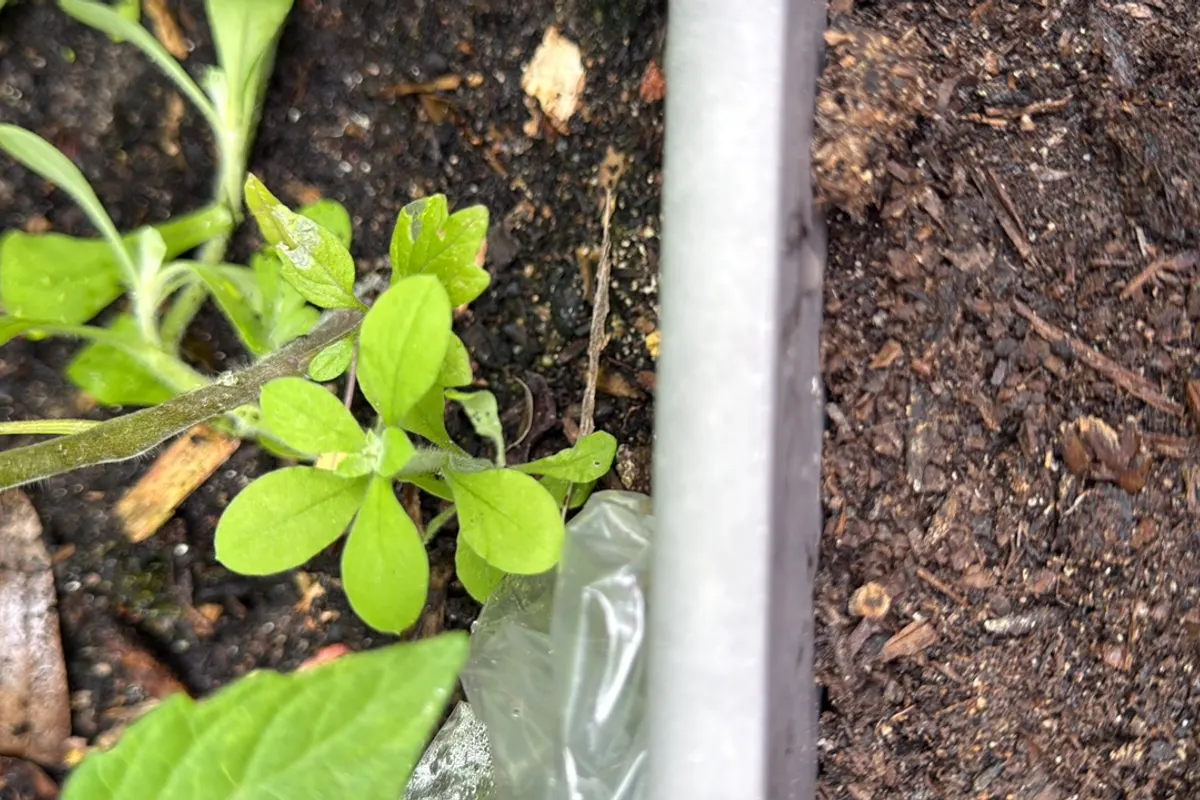
The selected Leafzy scan is labeled Lamb’s Quarters and was recorded on September 26, 2026.
No confidence score, measurements, location, or detailed feature assessment accompanied the supplied result. Keep the recorded name as a starting point for verification.
Result
| Reported name | Lamb’s Quarters |
|---|---|
| Scan recorded | September 26, 2026 |
Limits
| Confidence score | Not supplied |
|---|---|
| Measurements and location | Not supplied |
Historical context
This page reports one real app scan. General reference characteristics are presented separately from the information supplied with that scan.
A real weed photo labeled Lamb’s Quarters
The photograph on this page comes from a Leafzy scan labeled Lamb’s Quarters, recorded on September 26, 2026. That name is the result attached to the selected photograph. It is a useful starting point for comparison, rather than independent confirmation of the plant’s species.
The supplied result does not include a confidence score, measurements, a location, or a written explanation of the features used for the match. Those omissions limit what we can conclude, but they do not erase the recorded name. We keep the distinction clear: Lamb’s Quarters is the app’s label; any additional identification should be supported by features that can actually be checked.
Use this single example when comparing pictures of weeds from your own garden or path. A similar outline does not establish that two plants are the same. Keep your photograph beside a regional reference and compare several features before deciding whether the suggested name fits.
Which clues should you check against the result?
Cornell’s common lambsquarters reference describes leaves that can be triangular, diamond-shaped, or narrower, often with irregular teeth. New growth commonly has a pale, powdery coating. These are reference characteristics to investigate, not observations or measurements added to this particular scan.
Look at more than one leaf on your plant. Record the outline, the edge, and how leaves join the stem. Take an underside photograph as well as an upper view, and include a ruler if you want to discuss size. If the image is blurred or a feature is hidden, describe it as unavailable instead of treating it as absent.
Keep the whole plant in the comparison. A close-up can omit branching, flowers, and the connection between a leaf and its stem. A second view may therefore answer a question that cannot be settled by enlarging the original image. A name match becomes more useful when several independent details agree.
- Recorded result: Lamb’s Quarters.
- Recorded scan date: September 26, 2026; this is not a separately verified photograph date.
- Not supplied: confidence score, plant dimensions, location, and a trait-by-trait explanation.
- Next photos: whole plant, leaf upper and lower surfaces, stem attachment, and flowers or seeds if present.
Turn a suggested name into a useful comparison
Save the original photograph alongside any additional views. Record the date of your own observation and the setting, such as a cultivated bed or pavement edge. Those notes help you compare later photographs of the same plant without assuming that nearby specimens belong to the same species.
Use Cornell’s illustrated reference to check the suggested name: https://blogs.cornell.edu/weedid/common-lambsquarters/. The reference describes common lambsquarters; it does not verify the individual specimen shown here. If important features disagree, retain the uncertainty and compare other locally occurring plants.
For help describing a leaf, see Leaf Shape Identification: Veins, Margins, and Arrangement Clues at https://leafidentification.app/blog/plant-types. The Plant Identification Cheat Sheet at https://leafidentification.app/blog/plant-identification-cheat-sheet provides another way to organize the details you can see. These guides support a comparison rather than turning an uncertain photograph into a definite result.
For another app-assisted comparison, start from the weed identification page at https://leafidentification.app/tools/weed-identifier. Keep the initial label and any later result distinguishable so that you can investigate disagreements. If an identification will guide eating, treatment, or another consequential action, seek a qualified local assessment; a suggested name alone does not establish suitability.
Related guides
Compare another weed photo with Leafzy
Use Leafzy for an app-assisted identification, then compare the suggested name with the visible plant details and a regional reference. Clear views of the whole plant and its leaves make follow-up checking more useful.
Take the next step →Frequently asked questions
How reliable is weed identification from a single close-up photo?
A single close-up can show useful features like leaf margins or venation, but it rarely yields a confident identification on its own. Key missing context often includes underside views, flowers or seed heads, scale for size, and habitat notes. Treat one photo as a starting point and capture additional angles and notes before concluding.
What photo details most improve the chance of correct identification?
Take multiple images: a clear top-of-leaf view, underside, whole-plant habit, stems at the node, and any flowers or seeds. Include an object for scale and note location and substrate (e.g., lawn, roadside, garden bed). These additions let experts or tools cross-check multiple diagnostic characters.
When should I look for lookalikes instead of assuming a weed ID?
If key distinguishing traits are missing—such as inflorescence shape or the presence of hairs—pause and compare potential lookalikes. Many common weeds resemble harmless ornamentals in partial views; always compare multiple traits and consult comparison resources before acting.
Does this scan identify the plant as Lamb’s Quarters?
Lamb’s Quarters is the name attached to the selected Leafzy scan. The supplied result has no confidence score or detailed feature assessment, so the label should be checked against the plant and a regional reference. It is a suggested identification, not an independent botanical confirmation.